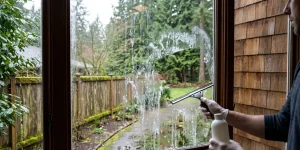


Clean glass changes how a home feels inside and out. Sunlight pours through without a hazy film, and the view outside looks sharper somehow. Behind that clarity sits a method most homeowners never think about: the pure water window cleaning system. This approach relies on water stripped of its minerals so it dries without leaving a single spot or streak behind.
Unlike older methods that lean on soap, squeegees, and constant wiping, this system lets the water do the heavy lifting. Once you see the benefits of a pure water cleaning system for windows, you will understand why so many professionals have switched to it for good.
What is a Pure Water Window Cleaning System?
At its core, this method turns ordinary tap water into something glass actually loves. Tap water contains calcium, magnesium, and other dissolved minerals that leave marks when it dries. A pure water system removes those minerals before the water ever touches the glass, so what remains is water so clean it has nothing left to leave behind. That single change is the foundation that makes the whole cleaning process work so well for any homeowner.
A portable unit filters the water through resin tanks or a membrane, pulling out the particles that cause spots. The purified water then travels through a hose and pole fitted with a soft brush, and technicians use it to scrub the glass directly, then rinse it with the same pure water and let it air-dry. No squeegee marks appear because there is nothing left in the water to mark the surface, and the glass dries as it should.
Window Cleaning with Deionized Water Explained
Deionization is the science that gives this cleaning method its power.
The Deionization Process
Water passes through resin beads that trap mineral ions and swap them for hydrogen and hydroxide. That exchange strips out calcium, iron, and other particles hiding in tap water. The result reads close to zero on a TDS meter, which measures total dissolved solids. This step is what turns plain tap water into the pure finish a glass needs.
Removing Minerals and Ions
Minerals in regular water bond to glass as it dries, creating the cloudy spots homeowners battle for years. Deionization pulls those minerals out before they ever reach the window. Because the water carries no charge and no dissolved solids, it has nothing to leave behind on the surface. This single step explains why the finish looks so different from a garden hose rinse.
Why it Dries Spotless
Pure water actually wants to reabsorb minerals since it left its natural state behind. When it touches dust, pollen, or grime on the glass, it draws those particles into itself and carries them away as it dries. As the water evaporates, it takes the dirt with it and leaves nothing on the pane. That is deionized water in its simplest form, and it is the reason streaks disappear.
Bright, streak-free glass looks even better when a skilled team handles the work for you. World Wide Window Co brings this pure water purification system to homes across Washington, Oregon, and Idaho through residential window cleaning services built on four decades of care. Contact us to schedule your free quote today!
Why Do Window Cleaners Use Purified Water?
Professionals switched to this method for reasons that go beyond a pretty finish. The minerals in tap water can create a cloudy layer on glass, while purified water helps maintain a spotless surface by leaving no residue behind. Technicians no longer need to wipe and rewipe corners hoping for an even finish, and that consistency is a big part of why the method has become the standard on nearly every job.
Water-fed poles also extend far enough to reach second- and third-story windows from the ground, which means fewer ladders, fewer accidents, and a safer day for every technician on site. Property owners benefit too, since crews spend less time balancing on rooftops or leaning out windows to catch a hard corner. Safety alone has pushed many companies to make purified water their go-to method.
Pure Water vs Traditional Window Cleaning
The two methods look different once you set them side by side.
Cleaning Power and Finish
Traditional cleaning depends on soap, a squeegee, and a steady hand to avoid streaks. Looking at the differences side by side shows a clear difference in the after-effects. Soap can leave a faint residue that attracts dust again within a week. Purified water leaves nothing behind, so the clean look lasts far longer between visits.
Time and Access
Traditional methods usually require ladders and multiple passes over each pane to catch every streak. Purified water systems use extendable poles that reach high windows directly from the ground. That cuts the time spent on each job and removes much of the physical strain on the crew. Homeowners get faster service without sacrificing any finish quality.
Chemical Use and Environmental Impact
Traditional cleaning calls for soap, glass cleaner, or other bottled products that eventually wash into the yard or storm drains. Pure water needs none of that, since it itself lifts dirt away from the glass. This makes the runoff safer for landscaping, pets, and nearby waterways. It is a small difference on paper, but it adds up across every home a crew visits in a year.
Benefits of a Pure Water Cleaning System for Windows
The advantages stretch well past a shiny pane of glass.
Longer Lasting Clean
Without soap residue to attract new dust, windows stay clear for longer between visits. Regular tap water and detergent can leave a thin film that grabs onto airborne dust within days. Pure water leaves nothing behind for dust to cling to, so the glass stays brighter for longer.
Fewer Visits Needed
Less buildup on the glass means homeowners can schedule cleanings less often while still keeping a fresh look. Since there is no residue working against the finish, the clean look holds up through several weeks of normal weather. That gives homeowners more flexibility in planning their cleaning schedule.
Safer for Pets and Plants
No detergents or chemicals are needed, so runoff poses no threat to grass, flower beds, or garden soil. The rinse water that drips down during a cleaning is just as safe as rain. Landscaping below every window stays untouched by anything harsh or synthetic.
Safe Around Family
Pets and children can stay nearby during the process without any exposure to harsh cleaning agents. There is no strong smell, no chemical residue, and nothing that needs to be wiped away for safety. Homeowners can go about their day while the crew works.
Better Access to High Windows
Extendable poles let technicians reach upper-floor windows safely from ground level, without tall ladders or scaffolding. This lowers the risk for the crew and keeps the yard free of bulky equipment during the visit. Homes with multiple stories get the same spotless result on every pane, high or low.
Consistent Results on Every Visit
Because the water itself does the work, the finish looks the same on the first floor as it does on the third. There is no dependence on a technician’s squeegee technique to avoid streaks in hard-to-reach corners. Every window ends up with the same clear, even finish from top to bottom.
Gentler on Window Frames and Seals
Skipping harsh chemicals protects caulking, trim, and screens from wear over time. Detergents and glass cleaners can slowly break down rubber seals and painted frames with repeated use. Pure water cleans the glass without putting that extra strain on the surrounding material.
Tips for Getting the Most Out of Pure Water Window Cleaning
A few small habits help homeowners stretch the results even further between visits.
- Skip the garden-hose rinse on glass: Save the hose for siding or brick.
- Keep window tracks clear of debris: Loose dust and leaves can blow back onto clean glass.
- Trim back nearby branches: Sap and pollen shorten the lifespan of a clean finish.
- Check screens along with the glass: A dirty screen can make clean windows look hazy.
- Note problem spots ahead of time: Point out stains or sap so the crew can plan for them.
- Book service before major weather shifts: Clean ahead of pollen season or heavy rain.
- Ask about a recurring plan: A set schedule helps prevent mineral buildup.
Conclusion
Clean windows do more than boost curb appeal; they let more light into a home and protect glass from long-term damage. Once you settle the pure water vs. traditional window-cleaning debate for yourself, going back to soap and squeegees feels like a step backward. Purified water works quietly in the background, lifting away dirt and leaving nothing behind. It is a simple upgrade with results that speak for themselves.
World Wide Window Co has served homes across Washington, Oregon, and Idaho since 1983 with a purified water system and professional-grade equipment built for lasting results. Our skilled technicians back every job with a satisfaction guarantee, delivering dependable exterior window cleaning that residential properties can count on. Reach out to us today!